Carolus Linnaeus (1707-1778) is famous for his advancements in botany, most notably his introduction of binomial nomenclature. Especially in his native Sweden, as well as in the Netherlands, where he received his doctorate, Linnaeus is commemorated in remembrances, collections and eponyms. While earlier research has already traced reception histories of Linnaeus, the upcoming commemorative year 2028 calls for a critical reflection to our relationship to Linnaeus today and tomorrow. This is especially important because some of his ideas, beliefs and actions are increasingly sensitive, such as his colonial and quasi-racial thoughts and practice. At the same time, Linnaeus’s esteem of local wildlife can inspire our reappraisal of native flora and fauna and draw attention to the urgency to restore a balanced biodiversity.
In May to July 2026, I assessed how Linnaeus as a controversial historical figure can remain a valuable example to address contemporary issues. The full report of my conversations, site visits and literature research is available in the cloud. Below, you can read or download a brief reflection on Linnaean heritage in Uppsala today, as well as some concrete proposals to better attune the heritage narratives to contemporary demands.
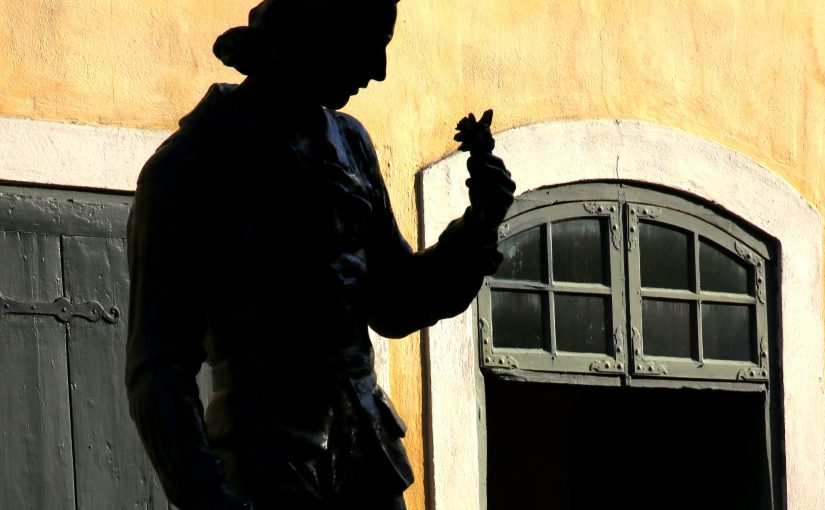
Picture of the Linnaeus statue in front of the Linnaeus Museum by Guillaume Baviere from Copenhagen, Denmark, CC BY-SA 2.0, via Wikimedia Commons.